


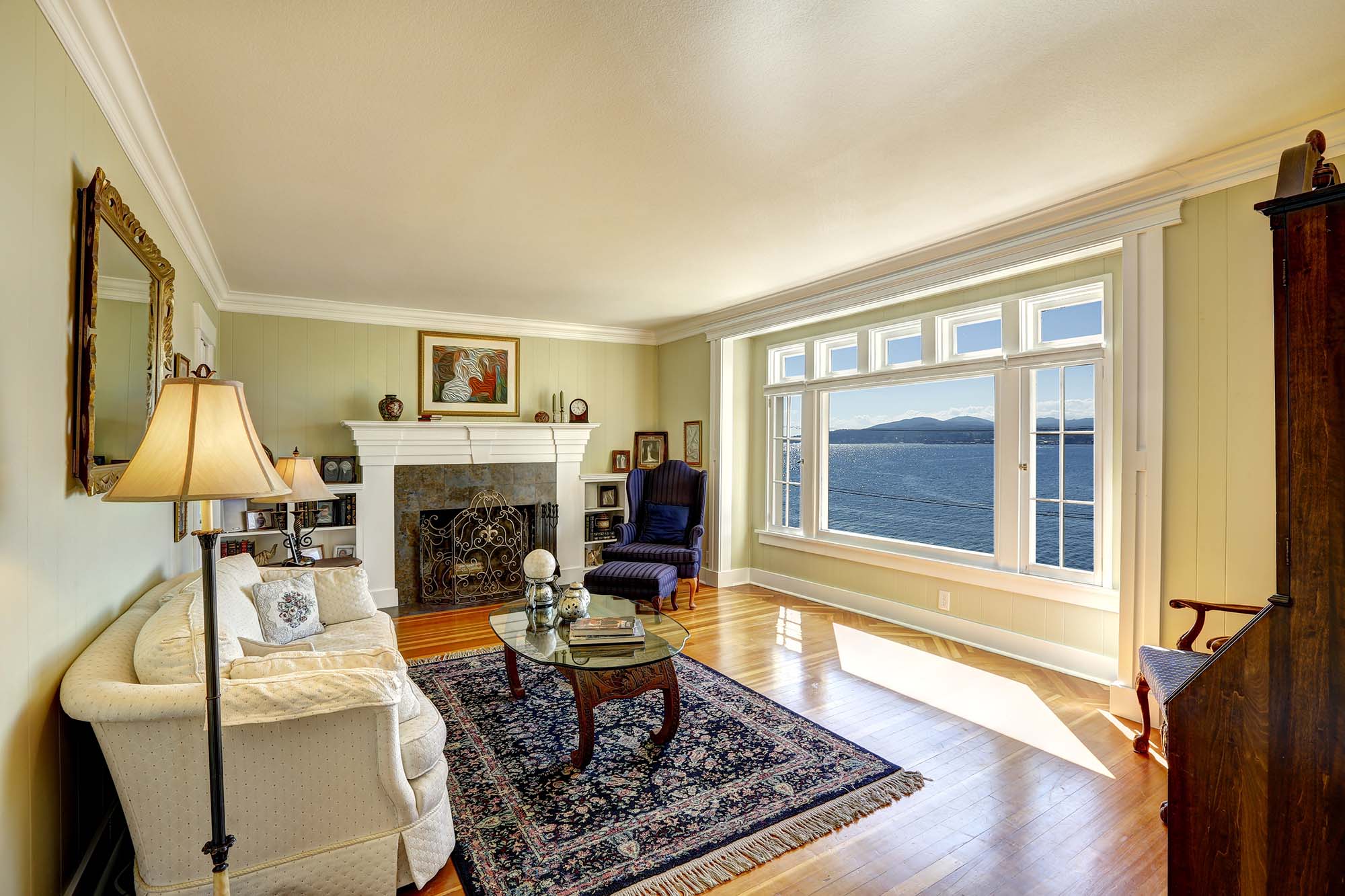
Homeowners in older neighborhoods throughout St. Louis, MO, University City, MO, Richmond Heights, MO, Jennings, MO, East St. Louis, IL run into this constantly. A room addition, a repair after water damage, or a closet that gets opened into a hallway all create the same problem, a small section of new hardwood has to sit next to flooring installed decades ago. The wood species, the cut, and even the tree genetics available in 1945 are frequently not available today, which means an exact match is not a realistic goal. A convincing match is.
Why Old Hardwood Cannot Just Be Matched From a Box
Hardwood milled in the early to mid 1900s often came from old growth forests, meaning trees that grew slowly over a century or more before being harvested. That slow growth produced tighter, more consistent grain than most of what is commercially milled today, since modern hardwood typically comes from trees grown on 40 to 60 year rotations. The grain density alone can make a same species board look noticeably different sitting next to the original.
On top of that, decades of sunlight exposure, foot traffic, and refinishing cycles have shifted the color of the original floor in ways a fresh board simply has not experienced yet. Oak that started out pale and yellow can deepen into a warm amber or even light brown over 80 years. A brand new oak board, even from the same species and grade, starts out looking nothing like that until it ages and is finished to match.
What Changed When the Original Species Was Discontinued
Some species used heavily in early 20th century St. Louis construction, including certain grades of chestnut and specific old growth pine varieties, are no longer commercially milled at all, either because the trees were wiped out by disease or because the old growth stock simply does not exist anymore. In those cases, matching is not about finding the same species, it is about finding the closest visual substitute in grain pattern and color range.
This is where a lot of DIY matching attempts go wrong. Homeowners search for the species name printed on an old receipt or found in a home inspection report and order what is labeled the same thing today, not realizing that today's version comes from younger trees with a completely different grain character. The result is a patch that technically matches on paper but stands out immediately in person.
Blending Techniques That Actually Work
When an exact species match is not possible, a few techniques consistently produce better results than trying to force a perfect match:
Choosing a substitute species with a similar grain pattern and adjusting the stain formula rather than relying on the wood's natural color
Running a full room or a full visual zone in the new material rather than patching a small area, since a full room reads as an intentional design choice while a small patch reads as a repair
Custom mixing a stain on site against a sample of the existing floor rather than using an off the shelf stain color
The goal in all three approaches is the same, get the new wood to read as part of the same story as the old floor rather than trying to disappear into it completely.
Where Perfect Matching Is Not Realistic
Some situations genuinely cannot achieve a seamless blend no matter how much time and stain testing goes into them. A floor that has been recoated multiple times, exposed to decades of UV fading in specific patterns from furniture placement, or hand scraped by a previous owner will always show some difference next to new material.
In those cases, the better move is often a deliberate transition, like a threshold, a change in plank direction, or a border detail, that makes the shift from old to new look planned rather than accidental. Trying to hide an unavoidable difference usually draws more attention to it than acknowledging it with a clean design transition.
Working With a Flooring Pro Who Understands Historic Homes
Getting this right depends heavily on seeing the actual floor in person under real lighting conditions, not matching from a photo or a paint chip style sample. Grain, sheen, and undertone all shift depending on the light in the room, and a match that looks right in a showroom can look wrong once it is down in a north facing hallway.
Just Around the Corner Flooring has handled this exact challenge in homes throughout St. Louis, MO, University City, MO, Richmond Heights, MO, Jennings, MO, East St. Louis, IL for decades, including houses old enough that the original flooring predates most of the species options sold today. We bring samples to your home rather than asking you to guess from a swatch.
If you are dealing with a hardwood match in an older home anywhere in St. Louis, MO, University City, MO, Richmond Heights, MO, Jennings, MO, East St. Louis, IL, stop by Crestwood, MO or contact us before ordering any material. Browse our hardwood flooring options and we will help you find the closest realistic match for your home.


