


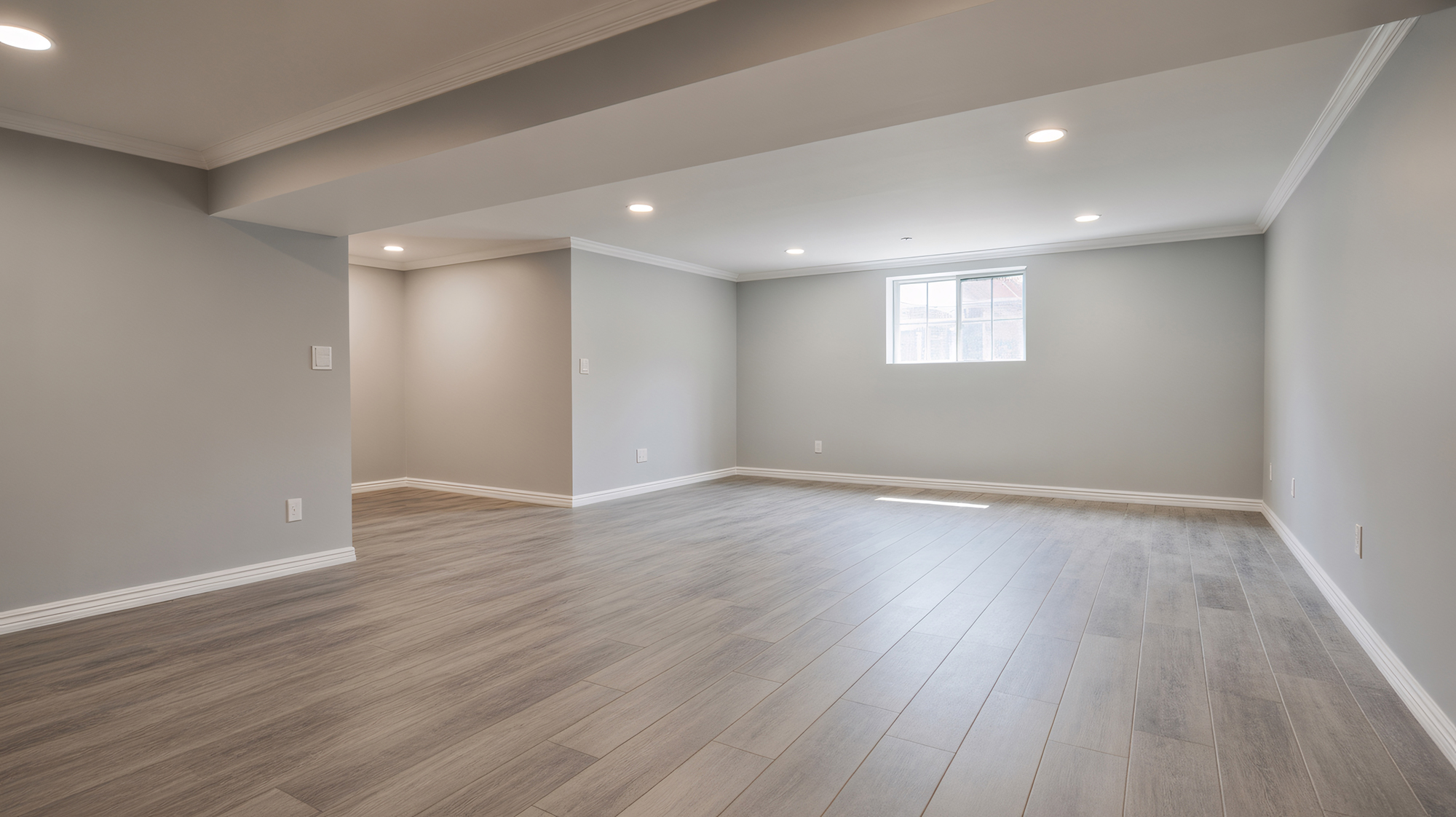
Homeowners across St. Louis, MO, University City, MO, Richmond Heights, MO, Jennings, MO, East St. Louis, IL ask Just Around the Corner Flooring about this more often than you would expect, usually while planning a laminate installation in an older home where floor registers are common. The short answer is yes, laminate can go around a floor vent, but the details of how matter more than most people assume.
Why a Floor Vent Is Not Just a Hole to Cut Around
Cutting laminate around a floor vent opening looks like a simple carpentry task, but the register box underneath the floor has a specific height, and laminate's total thickness, including the underlayment, has to match up with that height so the vent cover sits flush rather than sunken or raised above the surrounding floor. Vent covers are designed to rest at a specific depth, and a mismatch here is one of the more common finishing mistakes in an otherwise solid installation.
When the numbers do not line up, installers use a register riser or spacer specifically made to adjust for the height difference, rather than trying to force a standard vent cover to sit correctly on a floor it was not sized for. This is a small detail, but it is the difference between a vent that looks intentional and one that looks like an afterthought once the room is finished.
Why the Area Around a Vent Needs a Different Expansion Gap
Laminate is a floating floor, meaning the entire installation expands and contracts as a single connected surface in response to temperature and humidity changes, which is why installers leave a gap around the perimeter of a room. A floor vent cuts into the middle of that surface, so it needs its own small expansion allowance around the register opening, not just around the outer walls of the room.
Skipping this detail is a common reason laminate develops stress cracks or lifts specifically near a vent opening, even when the rest of the installation is done correctly, since the floor has nowhere to move at that internal cut point if it was installed tight against the vent boot.
Why Heat Registers Specifically Deserve Extra Attention
A floor vent that blows heated air directly upward creates a localized dry spot every time the furnace runs, which is a different condition than what the rest of the room experiences. In Missouri's climate, where furnaces run heavily for a good portion of the year, the planks immediately next to a heat register can dry out and contract slightly more than boards elsewhere in the same room.
This does not mean laminate cannot handle a heat register, since it very often does without issue, but it is part of why the expansion gap and finishing detail around that specific cut matter more than they would around, say, a cold air return, which does not introduce the same repeated heat and dryness cycle to the immediate area.
Why Older St. Louis Homes Complicate This More Than New Construction
A lot of older housing stock throughout St. Louis, MO, University City, MO, Richmond Heights, MO, Jennings, MO, East St. Louis, IL has floor vents that were installed decades ago, sometimes as part of a duct system that has been modified or partially converted from an older radiator setup. These vents do not always match the standard register sizes that modern flooring trim accessories are built around, which means an installer sometimes has to source a specific transition piece or custom fit the trim rather than grabbing a standard part off the shelf.
This is exactly the kind of detail that separates a professional installation from a rushed one, since a mismatched or improperly sized vent transition is one of the more visible imperfections in an otherwise well installed floor, precisely because it sits in the middle of the room rather than along a wall where it would be less noticeable.
Where Hardwood Handles This Differently
Solid and engineered hardwood face a similar height matching challenge around floor vents, though the fix typically involves shimming or trimming the register box itself rather than using a floating floor spacer, since hardwood is fastened rather than floating. Neither material is inherently better suited to vents in general, the right approach just depends on which flooring type is already being installed in that room.
If you are planning an installation around floor vents anywhere in St. Louis, MO, University City, MO, Richmond Heights, MO, Jennings, MO, East St. Louis, IL, Just Around the Corner Flooring can make sure that detail gets handled correctly the first time. Visit us at Crestwood, MO or contact us to talk through your space, and browse our full laminate flooring lineup to find the right fit for your home.


